2026-07-26 - Making the Right Choices in Life Author:
26th of July 2026
17th Sunday of Ordinary Time, Year A
_1Kgs 3:5.7-12_
_Rom 8:28-30_
_Mt. 13:44-52_
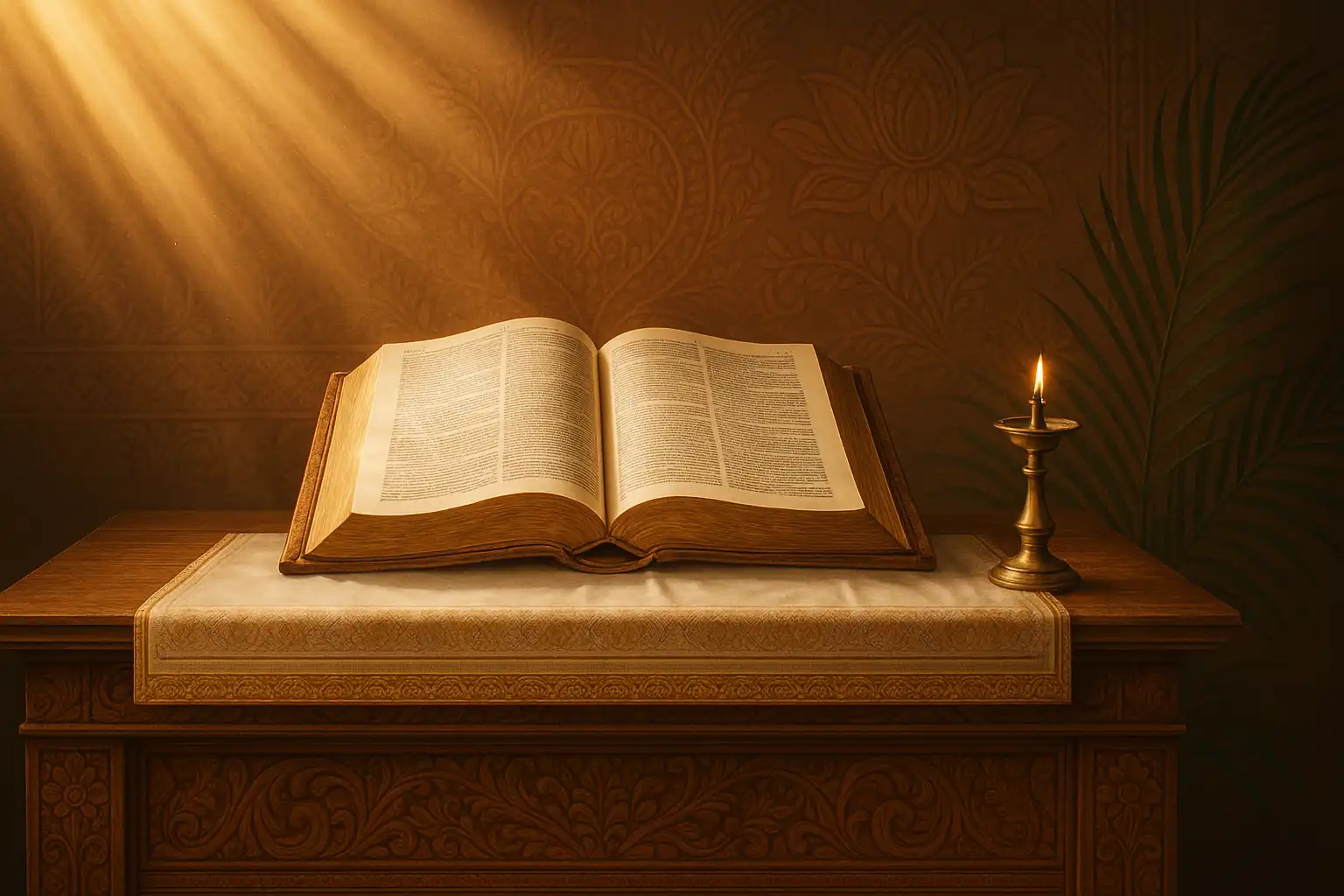
One of the most revealing things about a person is what he prays for. Our prayers often expose our priorities, our desires, and what we value most. If someone listened to our prayers for one week, what would they conclude is most important to us? Would they hear only requests for money, success, healing, visas, promotions, protection, or victory over our enemies? Or would they hear a sincere desire to know and do the will of God?
The *First Reading* invites us to reflect on one of the most beautiful prayers in the Bible, the prayer of Solomon.
Solomon had just become king. He was young, inexperienced, and overwhelmed by the enormous responsibility before him. Then God appeared to him in a dream and made an extraordinary offer: "Ask what I shall give you." Imagine if God asked you that question tonight. There would be countless requests. Some would ask for wealth because they are tired of poverty. Others would ask for good health, children, a better job, a successful business, admission to school, or freedom from their problems. None of these requests is wrong.
One of the reasons Solomon's prayer is so remarkable is not simply what he asked for, but how he prayed. Before making any request, Solomon teaches us three important attitudes that should shape every prayer.
First, he remembered God's faithfulness. Solomon began by recalling how God had shown "great and steadfast love" to his father David. Before asking for new blessings, he thanked God for past blessings. He recognised that the God who had been faithful yesterday would remain faithful today.
How often do we do the opposite? We rush into God's presence with a long list of requests, forgetting to thank Him for what He has already done. We complain about what we lack while overlooking the countless blessings we already enjoy—life, family, faith, health, and the many prayers God has quietly answered. Gratitude is not just good manners; it is an act of faith. A grateful heart sees God's hand even before asking for more.
Secondly, Solomon acknowledged his limitations. He said, "I am only a little child; I do not know how to govern." He was not literally a child, but he recognised that the task before him was greater than his own ability. Although he was king, he did not pretend to have all the answers. True wisdom begins when we admit that we do not know everything.
Our world often celebrates self-confidence to the point of self-sufficiency. We are encouraged to believe that we can do everything on our own. Solomon reminds us that there is strength in humility. The person who admits, "Lord, I need You," is already on the path to wisdom. Pride closes the door to God's grace, but humility opens it.
Finally, Solomon recognised that leadership is a responsibility, not a privilege. He did not ask for power to dominate others but for wisdom to serve them well. He understood that the throne was not about personal glory but about caring for God's people. His concern was not, "How can I benefit from this position?" but, "How can I fulfil this mission faithfully?"
That lesson is not only for kings or political leaders. Every one of us has been entrusted with some form of responsibility, as parents, priests, teachers, employers, workers, students, or community leaders. The important question is not, "What can I gain?" but, "How can I serve God's people better?"
When we turn to the Gospel, we see the fruit of such a prayer. Because Solomon desired God's wisdom above everything else, he was able to recognise what truly mattered. Jesus says the Kingdom of God is like a treasure hidden in a field and a pearl of great price. Only a wise heart can recognise that God's Kingdom is worth more than wealth, pleasure, or success. The man and the merchant gave up everything because they knew they were gaining something infinitely greater.
Perhaps this Sunday's readings invite us to examine not only what we pray for, but how we pray. Do we begin with gratitude? Do we come before God with humility? Do we seek His glory or merely our comfort?
If our prayers reflected Solomon's spirit, they might sound less like, "Lord, give me what I want," and more like, "Lord, give me the heart to do Your will." That is the kind of prayer that God delights to answer.
*Happy Sunday and God bless you*




0 Comments
Leave a Comment
Fill the form below to leave a comment